
Cold Plunge vs. Ice Bath: Is a Dedicated Cold Plunge Worth It?
If cold water immersion is going to be a regular habit, a dedicated cold plunge is usually worth it. An ice bath can get you started for very little money, but it takes time to set up, the temperature drifts as the ice melts, and the water has to be dumped and refilled. A cold plunge holds a steady temperature, keeps the water clean, and is ready whenever you are. The real question is how often you plan to plunge.
If you are new to the hot-and-cold routine, start with our post on what contrast therapy is and how the routine works. This post picks up from there and focuses on the equipment decision.
What is an ice bath?
An ice bath is the do-it-yourself version of cold immersion: a bathtub, stock tank, or barrel filled with cold water and bags of ice. It is cheap to try and needs no special equipment. The tradeoffs show up with regular use. You have to buy or make ice every time, the water warms as the ice melts and your body adds heat, and standing water needs to be drained and cleaned often.
What is a cold plunge?
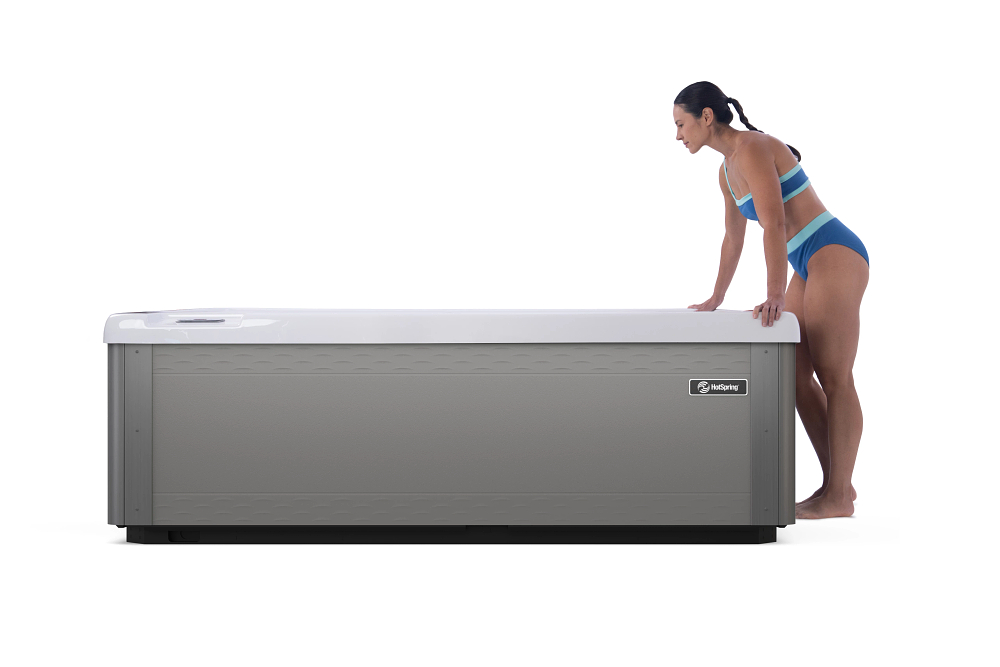
A cold plunge is a purpose-built tub designed to keep water cold and clean on its own. Instead of relying on ice, it uses built-in cooling to hold a set temperature, along with filtration and a cover. The Vigor cold plunge is made by Hot Spring Spas, the same company behind the hot tubs we carry, so it is designed to sit alongside a hot tub or sauna as part of a home wellness setup.
Cold plunge vs. ice bath at a glance
| Factor | Ice bath | Cold plunge |
|---|---|---|
| Temperature control | Starts cold, warms as ice melts | Holds a set temperature |
| Prep time | Fill and ice before every session | Ready when you are |
| Water quality | Drain and refill often | Filtered and covered |
| Upfront cost | Low | Higher |
| Ongoing effort | Ice runs and cleanup | Routine maintenance |
| Best for | Trying cold immersion occasionally | A regular, consistent routine |
Why consistency is the deciding factor
Most people who stick with cold immersion do it several times a week. At that pace, the setup and cleanup of an ice bath become the reason sessions get skipped. A cold plunge removes the friction: the water is already cold, already clean, and right outside the back door. If you are building a routine with a hot tub or sauna, having the cold side ready at the same time as the heat is what makes the routine easy to repeat.
Temperature control matters more than how cold it gets

An ice bath can get very cold at first, but it does not stay there. That makes sessions hard to repeat consistently, and it is easy to start colder than you intended. With a cold plunge, you choose the temperature and it holds, which lets you start on the milder side and adjust gradually as you get used to it.
What about plunging in a Michigan winter?
Michigan winters make cold water easy, but they also bring freezing temperatures that can turn a backyard tub into a block of ice. An ice bath setup outdoors is not built for that. Whether a cold plunge can stay outside through winter depends on the model and setup, so ask our team how the Vigor is designed to handle Michigan weather before you decide where to put it.
When an ice bath still makes sense
If you are curious about cold immersion but not sure you will keep it up, an occasional ice bath is a reasonable way to find out whether you like it. Once you find yourself doing it regularly, that is usually the sign that a dedicated cold plunge will save you time and make the routine easier to keep.
A note on safety
Cold water immersion is a real physical stressor. Start with short sessions at milder temperatures, never plunge alone, and get out if you feel unwell. If you are pregnant or have heart concerns, high blood pressure, or other health conditions, talk with your doctor before trying it. This article is general information, not medical advice.
Cold plunge FAQs
Is a cold plunge colder than an ice bath?
Not necessarily. A well-iced bath can start colder than many people set their cold plunge. The difference is that a cold plunge holds its temperature, while an ice bath warms as the ice melts.
How cold should a cold plunge be?
Many people use temperatures in the 50s, and beginners often start on the milder end and shorten their sessions. There is no single right number, so start conservatively and follow your doctor’s guidance if you have any health concerns.
Do I need a hot tub or sauna to use a cold plunge?
No, a cold plunge works on its own. Many owners pair it with a hot tub or sauna for contrast therapy, alternating between heat and cold.
Where should I put a cold plunge?
Close to your heat source is ideal if you plan to do contrast therapy, such as next to a hot tub on a deck or patio. You will also need a level surface and the right electrical connection for the model you choose.
Build your hot-and-cold setup

Whether you already own a hot tub or sauna or are starting from scratch, our team can help you plan a setup that fits your space. Learn more about contrast therapy at home, pair the cold side with a Hot Spring hot tub or a Tylö sauna, and visit one of our showrooms in Ann Arbor, Fenton, DeWitt, Novi, Rochester Hills, or Saginaw. When you are ready, request pricing on the Vigor cold plunge.